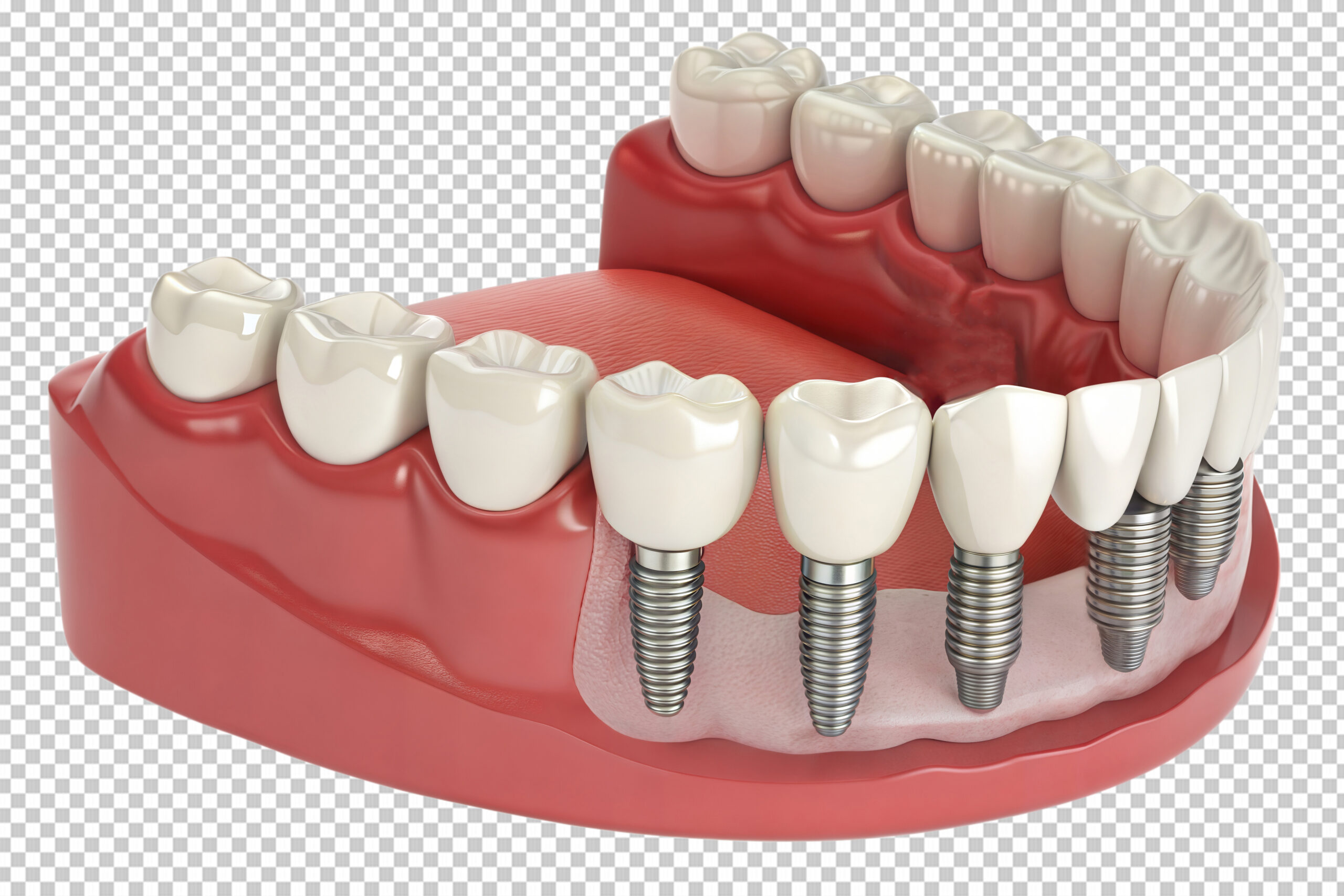
Dental implants are a popular way to replace missing teeth. Many people choose dental implants because they look and feel like natural teeth. If you have lost a tooth due to injury, decay, or gum disease, dental implants may help restore your smile. In this blog, you will learn what dental implants are, who needs them, their benefits, the dental implant procedure, possible risks, and how to care for them after surgery.
What Are Dental Implants?
Dental implants are small metal posts, usually made of titanium. Dentists place them into your jawbone to act as roots for missing teeth. After the implant fuses with the bone, a dentist attaches a crown, bridge, or denture on top. This creates a strong, stable tooth replacement that looks and works like a real tooth.
Who Needs Dental Implants?
Not everyone needs dental implants, but they are a good option for many people. You may need dental implants if you:
However, some people may not be good candidates. For example, heavy smokers, people with uncontrolled diabetes, or those with certain bone problems may face higher risks. Always talk to your dentist to see if you are a candidate for dental implants.
Benefits of Dental Implants
Dental implants offer many benefits over other tooth replacement options. For instance, they:
In addition, dental implants do not require grinding down nearby teeth, unlike some bridges. This helps keep your other teeth healthy.
The Dental Implant Procedure (Step-by-Step)
The dental implant procedure usually takes several steps over a few months. Here is what you can expect:
Throughout the dental implant procedure, your dentist will guide you and answer your questions.
Risks and Potential Complications
Dental implants are safe for most people, but like any surgery, they have some risks. For example, you may experience:
However, most problems are rare and can be treated. Good oral hygiene and regular dental visits help lower your risk. According to the American Academy of Implant Dentistry, dental implants have a success rate of up to 98% when placed by skilled dentists.
Aftercare and Recovery Tips
Proper aftercare is important for dental implant success. Here are some tips to help you recover and keep your implants healthy:
With good care, dental implants can last many years. If you notice pain, swelling, or loose implants, contact your dentist right away.
Frequently Asked Questions About Dental Implants
In summary, dental implants are a safe and effective way to replace missing teeth. They offer many benefits and can improve your quality of life. However, it is important to follow your dentist’s advice for the best outcome. Consult a qualified dentist to find out if dental implants are right for you.